


How to Recycle a Sex Doll

Let’s be honest: sex dolls are a significant investment, and they’re not the kind of item you can casually toss in the trash. Whether your beloved companion has aged, you’re upgrading to a newer model, or you simply need to free up space, figuring out how to properly dispose of a sex doll is crucial.
Most real sex dolls or sex doll torsos are made of silicone or TPE—materials that decompose slowly, if at all, in landfills. That’s where recycling comes in. No more worrying about startling garbage collectors or getting fined for improper waste disposal; protecting the planet is everyone’s responsibility.
In this guide, we’ll walk you through everything you need to know to dispose of your unwanted sex doll—from prepping the doll to finding the right recycling partners, and even alternative eco-friendly methods if recycling isn’t immediately an option.

Why Recycling Sex Dolls Is Necessary
First, let’s clear up a common misconception: sex dolls can be recycled. But it’s not as simple as dropping them in a curbside recycling bin. Full size sex dolls and real sex doll torsos made of silicone or TPE require specialized handling, and you’ll need to do some prep work first.
Here’s why proper recycling matters: If you throw a sex doll in the regular trash, it will end up in a landfill, where it could take centuries to break down.
- Silicone: While biocompatible, it is not biodegradable. It will sit in soil, take up space, and may leach trace chemicals over time.
- TPE: A type of plastic typically labeled with recycling code “7,” TPE is easier to process but still requires proper disposal.
By recycling, you reduce carbon emissions, conserve resources, and prevent these materials from ending up in oceans or landfills.

Prep Work for Recycling
Before contacting a recycling center, you need to prepare your sex doll. This step is critical—it streamlines the recycling process and ensures the safety of handlers. Here’s how to do it:
1. Remove the Internal Skeleton
Nearly all high-quality life size torso sex dolls and full-sex dolls have an internal skeleton, usually made of steel, steel alloy, or titanium. This skeleton allows the doll to pose and stand.
Your first task is to separate this metal skeleton from the silicone/TPE outer layer—metal is recyclable too, but it needs to be processed separately from plastics or elastomers. Follow these steps to remove the skeleton:
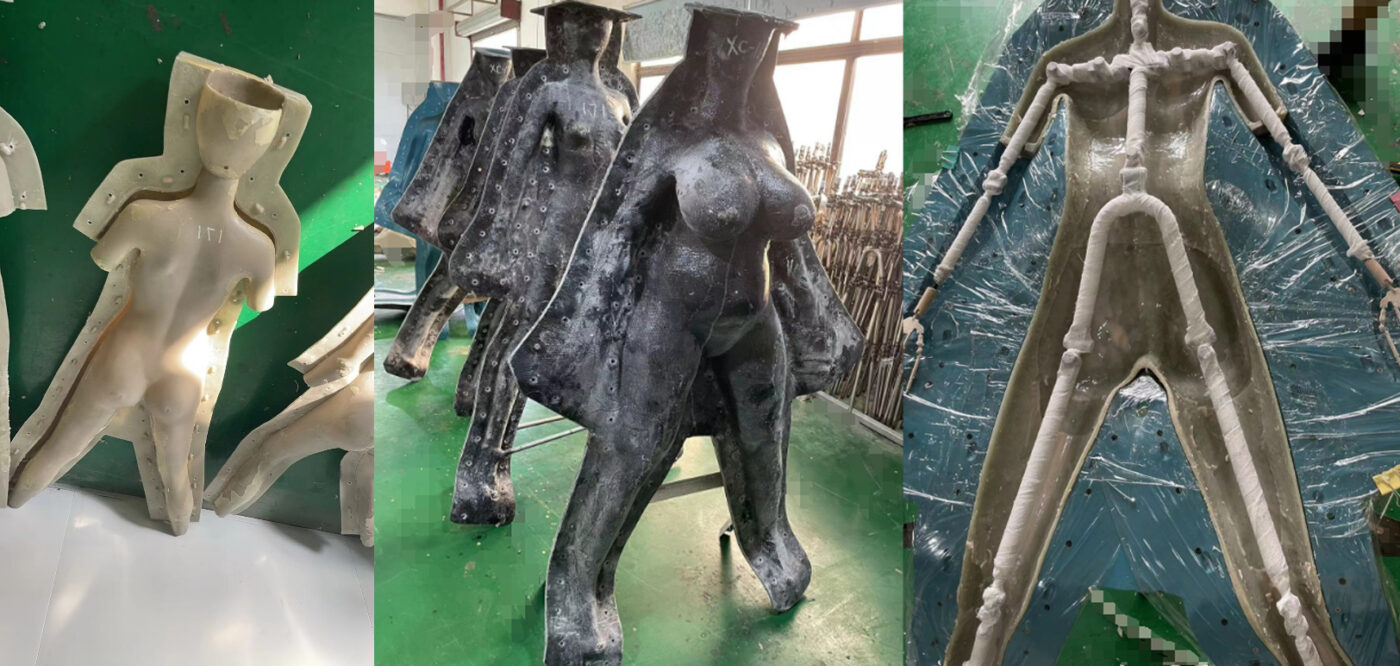
- Gather a sharp utility knife or box cutter (be extremely careful to avoid injury!). Make small incisions around the doll’s joints: shoulders, elbows, hips, knees, and ankles—these are the easiest spots to access the skeleton.
- After making a small cut, gently pull back the silicone/TPE to expose the connections. You may need pliers to loosen the screws or fasteners holding the skeleton in place.
- Slowly and carefully remove the skeleton parts from the body. Take your time—tearing the silicone/TPE will make later recycling harder. If you hit a stuck spot, make another small incision (avoid large, irregular cuts).
- Set the skeleton aside once fully removed. You can take it to a local scrap metal recycling center—many will pay a small amount per pound for steel or titanium. This lets you earn a little extra while ensuring the metal isn’t wasted.

2. Thorough Cleaning and Sanitization
This is a key step to protect recycling workers. Even if you’re only recycling the silicone/TPE, you must ensure no bodily fluids, dirt, or debris remain on the material. Here’s how to clean it properly:
- Fill a bathtub or large basin with warm water (not hot—hot water damages silicone/TPE) and add mild, unscented soap. Avoid harsh chemicals like bleach, alcohol, or ammonia—these break down the material and make it harder to recycle.
- Use a soft sponge or cloth to gently scrub the entire silicone/TPE body. Pay extra attention to crevices and seams, where dirt or fluids tend to collect.
- Rinse the body thoroughly with warm water to remove all soap residue.
- Pat dry with a clean towel, or let it air-dry completely for several hours to ensure no moisture remains—moisture can cause mold during transport to the recycling center.

3. Cut the Body into Smaller Pieces (If Needed)
Most recycling centers have size limits for the materials they accept. A full-size sex doll (usually 5–6 feet tall) is too large to transport and process easily. After removing the skeleton and cleaning the doll, use a sharp knife or heavy-duty scissors to cut the silicone/TPE into smaller, more manageable pieces—about 1–2 feet long.
This makes it easier to load into a vehicle and drop off at the recycling center. Always wear gloves while cutting to avoid injury.
Top Recycling Partners
Curbside recycling programs almost never accept silicone or TPE—these materials need specialized handling. You’ll need to find a recycling center that processes elastomers or specialty plastics. Here’s how to find one:
1. Start with Local Scrap Yards and Recycling Centers
First, call your local scrap yards or recycling centers. Ask if they accept silicone or TPE (you can mention TPE is labeled as “recycling code 7”). Even if they don’t process it on-site, they may refer you to a center that does. Many scrap yards partner with specialty recyclers, so this is a great starting point.
2. Contact Specialty Silicone/TPE Recyclers
If local centers don’t handle these materials, consider national or regional specialty recyclers. Below are reliable options:

| Recycler Name | Specialization | Key Services |
|---|---|---|
| SexDollQueen | Sex doll recycling (and sales) | Accepts dolls of any origin/condition; covers all shipping/fees; arranges UPS/FedEx pickup. |
| Terry Environmental | Plastic recycling (including TPE and silicone) | Has collection points nationwide; accepts residential and commercial waste; call to confirm sex doll acceptance. |
| Eco USA Recycling | Silicone recycling (U.S.-based) | Founded in 2009; claims to be America’s first silicone recycling facility; focuses on silicone products. |
What If Recycling Isn’t an Option?
If you can’t find a recycling center that accepts silicone or TPE, don’t panic—there are still eco-friendly ways to dispose of your silicone torso sex doll or full-sex doll. These methods keep the doll out of landfills and give it a second life:
1. Donate to Art Projects or Artists
Local artists, art schools, and photography programs are always looking for realistic human mannequins. Silicone and TPE sex dolls are ideal for painting, sculpting, or photography—they’re durable and hold poses well. Many art schools can’t afford expensive professional mannequins, so your donation will make a big difference.
You can also contact independent artists in your area—many use “found objects” in their work, and a sex doll can be a unique element. Always thoroughly clean and sanitize the doll before donating.

2. Sell or Donate to Professional Institutions
Even slightly damaged used sex dolls can be useful to certain organizations. Here’s options to consider:
-
Tattoo Shops: Tattoo artists practice on silicone “skin” models, and real-life sex dolls are perfect for honing their skills. Many new tattoo artists can’t afford professional practice models, so selling or donating your doll helps both them and the environment.
-
Beauty Schools: Beauty schools need models for hairstyling, makeup, and nail art practice. If your doll has hair (implanted or a wig) and intact fingers/toes, beauty schools will likely accept it. Just remove any damaged parts first.
-
Medical or First-Aid Training Centers: First-aid schools, nursing programs, and fire departments use life-size mannequins to train students in first aid, CPR, and injury care. Sex dolls can be repurposed as training models—simply remove the skeleton (or keep it if it helps with posing) and clean thoroughly.
- Small Boutiques or Secondhand Stores: Many small clothing boutiques and thrift stores use mannequins to display clothes, but professional ones are expensive. A clean, intact sex doll can work as a unique display model—just dress it in the store’s clothing and ensure it looks presentable.

3. Sell Individual Parts
Even if the entire doll is damaged, some parts may still be sellable. For example, the head is often intact even if the body is broken—many sex doll owners buy replacement heads for their existing dolls.
You can sell heads on forums like The Doll Forum (you need to post 5 times) or adult product marketplaces. As mentioned earlier, you can also sell the skeleton to a scrap metal recycler. Every small part reused reduces landfill waste.
Taboos of Sex Doll Disposal
Now that we’ve covered proper methods, let’s highlight what not to do. These practices harm the environment, endanger others, and may even get you in legal trouble:
-
Do Not Burn It: Burning a silicone or TPE sex doll releases toxic chemicals into the air, including dioxins and furans—substances harmful to human health and the environment. Outdoor burning of plastics or elastomers is also illegal in most areas. Save the bonfire for roasting marshmallows—not disposing of your doll.
-
Do Not Toss It in the Regular Trash: Throwing a life-size sex doll in a curbside trash bin is a terrible idea for several reasons. First, it will likely startle garbage collectors—finding a realistic life-size doll in the trash can upset them.
Second, it may violate local waste management laws, which often prohibit discarding large non-biodegradable items in regular trash. Third, it will end up in a landfill, where it will take centuries to decompose.

- Do Not Dump It in Waterways: Throwing a sex doll into lakes, rivers, or oceans is not only illegal but also harmful to marine life. Silicone/TPE breaks down into microplastics, which are ingested by fish and other sea creatures. Additionally, it wastes resources—local authorities may spend time and money retrieving it, and it could frighten people who see it.
Final Tips for Responsible Disposal
Before you start disposal, take time to assess your doll’s condition. If it’s still intact (no damage, working skeleton, clean), consider selling it first—you can recoup some of your investment and give the doll a new life with someone who needs it.
Platforms like The Doll Forum, Craigslist (use neutral language like “life-size silicone mannequin” to avoid ad removal), and adult product marketplaces are good for selling used sex dolls.
If you decide to recycle, always thoroughly clean and sanitize the doll. Recycling workers handle hundreds of items daily—you don’t want to put their health at risk. Also, be patient—finding a specialty recycler may take time, but it’s worth it for the planet.
Ultimately, responsible disposal is key.